Have you ever looked around your living room and felt a lot of urge to throw everything out and start over? We have all been there. But before you open a shopping app and load up your cart with cheap, mass-produced decor, let's talk about a better way. In 2026, the design world is experiencing a massive shift away from hyper-consumerism.
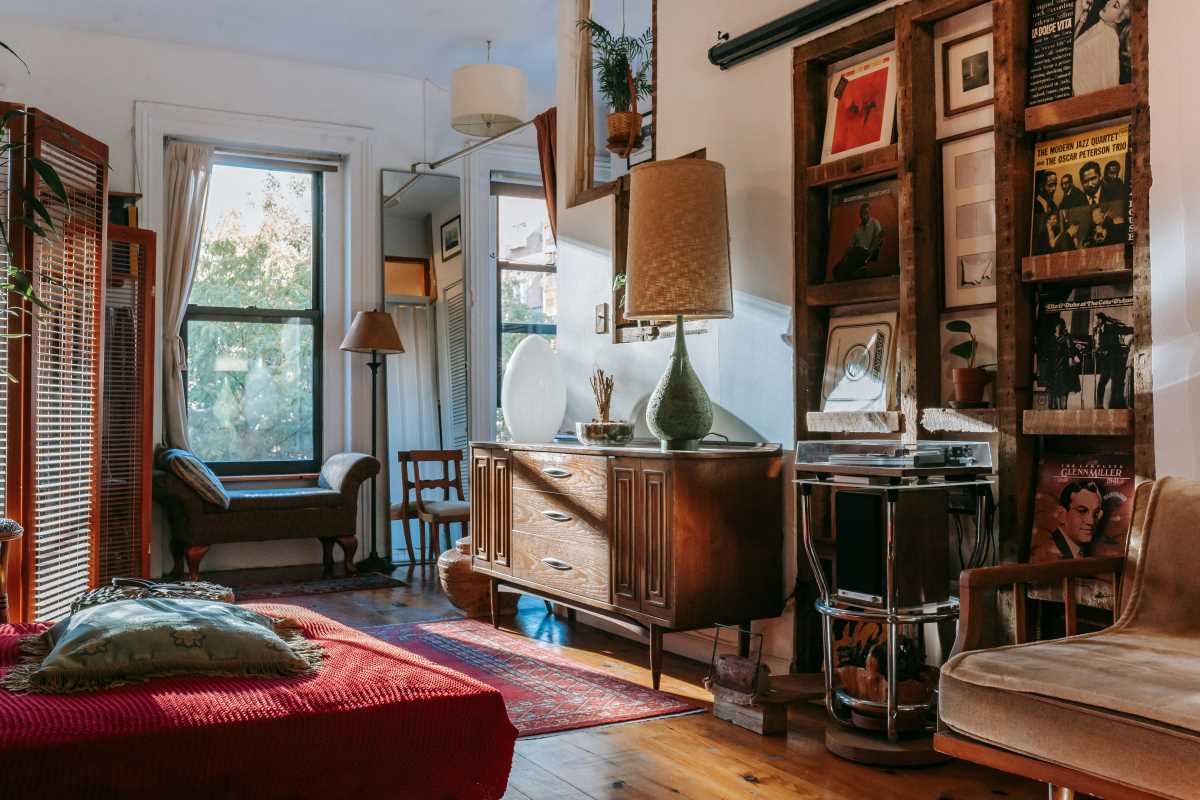
The viral "underconsumption core" movement has taken over social media, celebrating the art of using what you already own and rejecting the endless cycle of fast-decor hauls.¹ People are tired of sterile, "sad beige" rooms that look like a generic hotel lobby.⁵ Instead, we are craving spaces that feel authentic, lived-in, and rich with personality.
According to a recent industry survey by Vectorworks, 40% of design professionals have already adopted sustainable practices, and more than half of homeowners now prioritize low-impact, eco-friendly updates.¹⁰ So how do you get that fresh-home feeling without spending a single dollar?
The Art of the Shop-Your-Home Method
It starts with a practice called "shopping your home."³ Although this saves you money, it's also a creative exercise that forces you to look at your belongings with fresh eyes. By auditing what you already own, you'll rediscover forgotten treasures hiding in closets, cabinets, or the back of shelves. Think of it like a treasure hunt in your own living room.
Slow decorating is the antidote to the instant-gratification culture we see online. It encourages us to live in a space, understand how we actually use it, and let it evolve naturally over time. When we rush to fill a room with trendy items, we often end up with a space that feels disjointed and lacks soul. By focusing on what you already have, you give yourself permission to slow down and build a home that tells a story.
Mastering the Flow with Rearranging Furniture Tips
The absolute fastest way to change the energy of a room is to move the furniture. It costs nothing but a bit of muscle, yet it completely rewires how you experience the space. To make your new layout feel high-end and intentional, you can use a few simple rules from professional designers.
First, start with the anchor piece. This is the largest item in the room, like your sofa in the living room or your bed in the bedroom. Once you lock this piece into its perfect position, everything else naturally falls into place around it.
As you move things around, pay close attention to the traffic flow. A common mistake is crowding walkways. You want to leave about 30 to 36 inches of clearance for major pathways so you don't feel like you're navigating an obstacle course.
Here are a few quick rearranging hacks to try:
• Establish a non-TV focal point: Instead of pointing every single chair directly at the television, arrange your seating to show a fireplace, a large window, or a favorite piece of art. This immediately makes the room feel more social and inviting.
• Create visual balance: Avoid crowding all your heavy, solid furniture on one side of the room. If you have a large, skirted sofa, balance it by placing lighter, leggy armchairs on the opposite side.
• Try the room swap: Don't let a piece of furniture get stuck in one identity. Move a bedroom armchair into the living room, or use a small dresser as an entryway console.
• Use the photo and tape trick: Before you start dragging heavy items, take a photo of the room on your phone. Looking at a flat, two-dimensional image makes it much easier to spot layout imbalances. If you're hesitant to move heavy pieces, use leftover painter's tape on the floor to outline the dimensions of the new layout first.
Curating Your Walls and Surfaces
Once the big furniture is set, it's time to focus on the details. Your walls and flat surfaces hold the real personality of your home, but they often become static over time. We get so used to seeing the same frame in the same spot that we stop noticing it entirely.
Start by swapping your artwork between rooms. Moving a painting from your bedroom to the hallway gives it an entirely new life. You don't even need to hammer new holes into your plaster.
Leaning your art is a favorite designer trick that creates a relaxed, collected look. Try leaning a large frame on top of a console table, a mantel, or even the floor, and overlap a smaller frame in front of it.
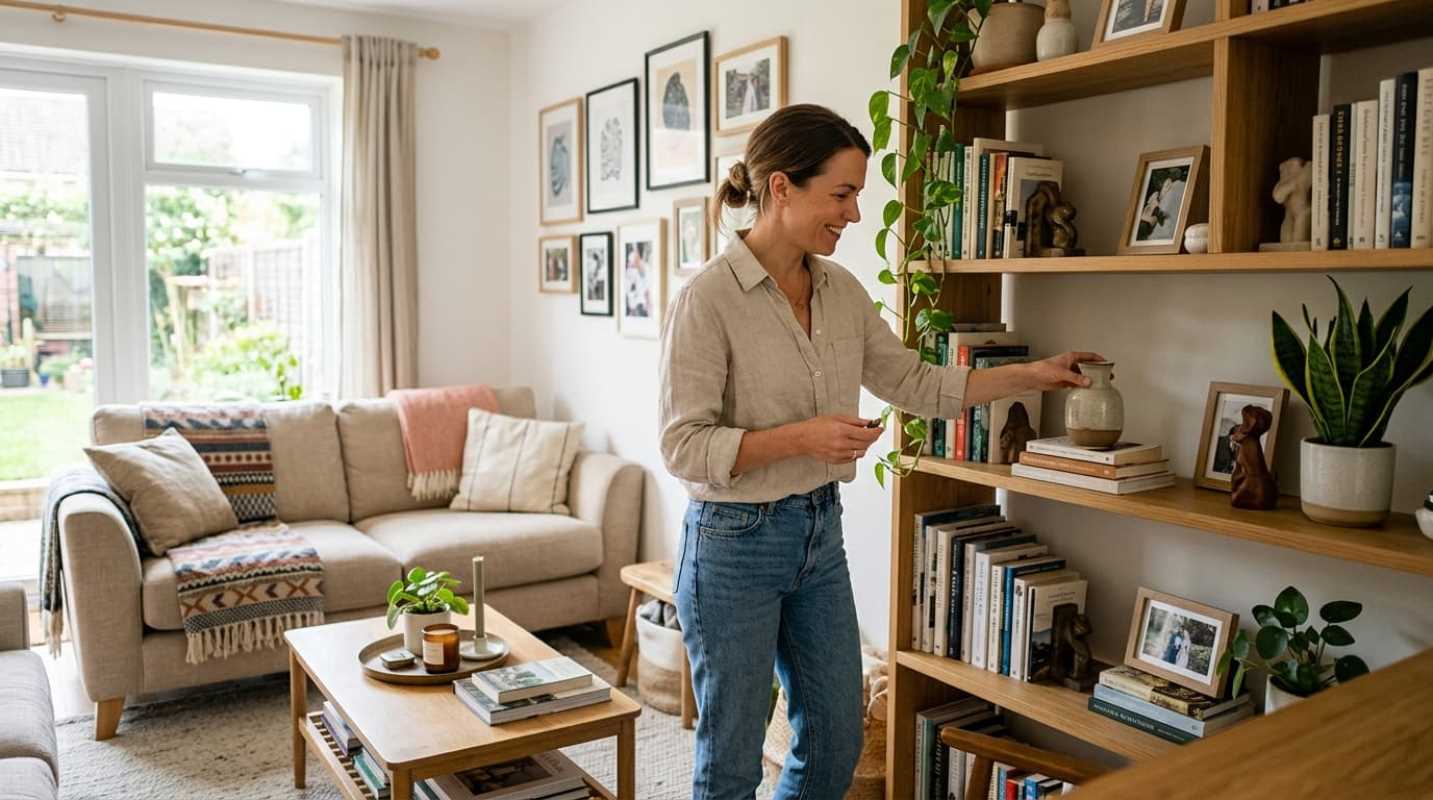
For styling bookshelves and coffee tables, forget about buying new knick-knacks. Instead, gather sentimental objects you already own and group them using the rule of odds. Styling items in groups of three or five creates a natural balance.
To make these groupings look professional, vary the heights of your objects. You can place a tall, foraged branch next to a medium-sized candle, and set both next to a flat stack of books.
A vignette is just a fancy design term for a small, curated display. Think of it like a still-life painting. When you group items, try to tell a story. Like, pair a vintage book you love with a small ceramic bowl holding matchsticks and a candle. This creates a cozy, inviting corner that feels intentional rather than accidental.
If the display feels a bit flat, focus on textural layering. Drape a chunky knit blanket over a smooth leather chair, or place a woven basket next to a glass lamp to add depth without adding color.
The Power of Deep Cleaning and Decluttering
We often forget that dirt and clutter act as visual noise. It's hard to appreciate a beautiful room when your eyes are constantly darting to piles of mail or dusty corners. That's why a true zero-budget makeover always starts with a deep clean.
Think of this step as creating a blank canvas. When you strip away the excess, you can finally see the bones of your space.
To get the most dramatic impact, try this step-by-step checklist:
1. The blank canvas strip: Remove every single pillow, blanket, and small decor item from the room. Take them all out so the space is completely bare.
2. The deep shine: Clean your windows inside and out to let in maximum natural light. Dust your light fixtures and lightbulbs. You'll be amazed at how much brighter the room feels afterward.
3. The edit: Before you put anything back, look at your collection with an important eye. Leave some empty areas, or negative space, on your shelves and tables to let the room breathe.
Editing is what separates a cluttered room from a professionally styled one. By displaying fewer items, you actually give your favorite pieces the spotlight they deserve.
Creative Upcycling and Repurposing
Now for the fun part: finding new uses for things you already own. Look beyond the traditional decor box and get creative with everyday household items.
Your kitchen is a goldmine for free styling pieces. A ceramic pitcher can become a stunning flower vase. Wooden cutting boards stacked against your backsplash add warmth and texture, while a silver tray can hold perfumes on your dresser or keys in your entryway.
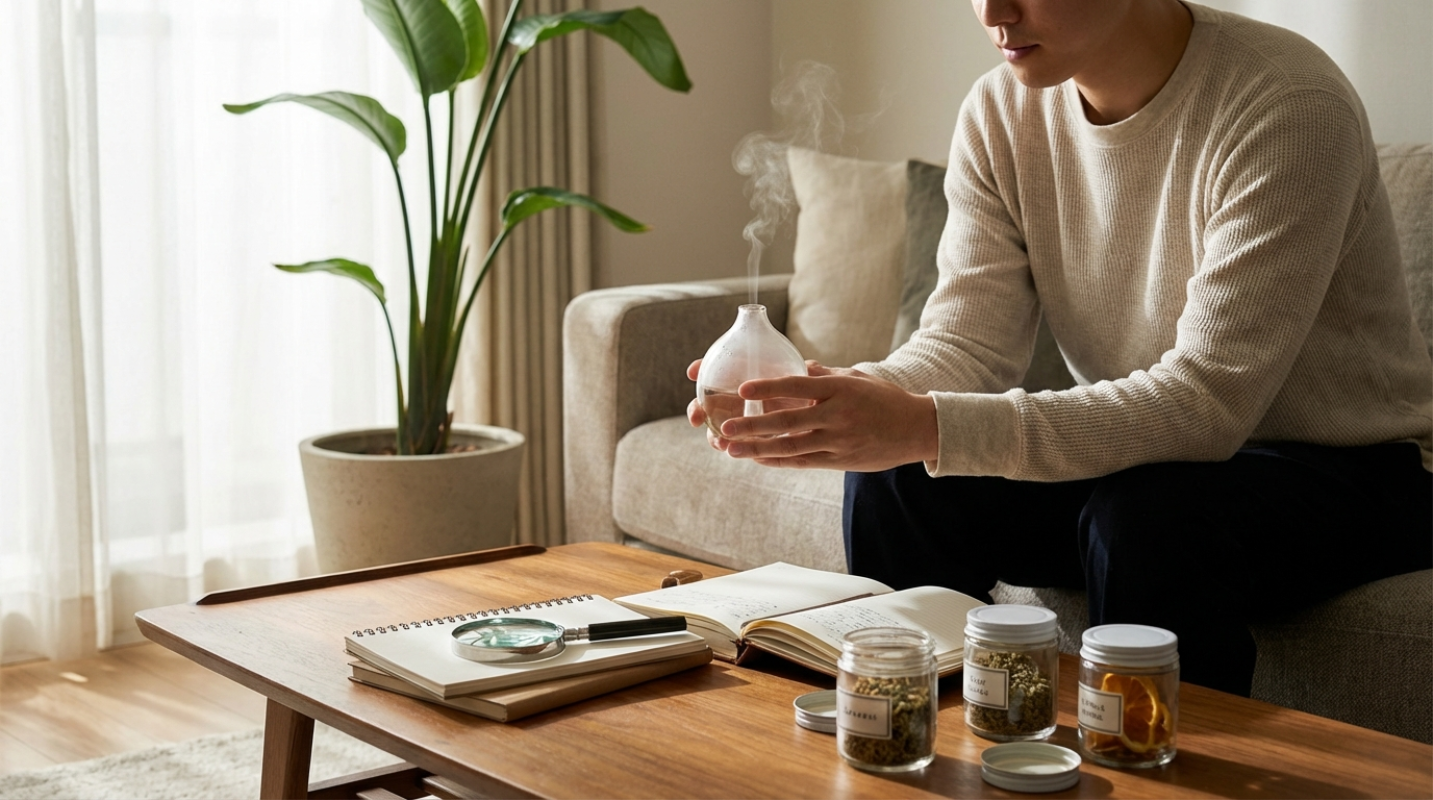
You can also look to nature for free, sustainable decor. Biophilic design is still incredibly popular, but you don't need to buy expensive faux plants. Go outside and forage your yard for interesting branches, pinecones, or wildflowers. Dried and preserved flowers are especially great because they last for months and add a beautiful, earthy texture to any room.
Don't forget about your textiles. Swapping throw pillow covers between the living room and bedroom is an instant refresher.
If your pillows are looking a bit flat, use the one-size-larger insert trick. Stuff an 18-by-18-inch pillow cover with a 20-by-20-inch insert (even an old bed pillow will work) to give it a plump, high-end look.
Refreshing your home doesn't require a trip to the store or a hit to your credit card. By embracing the underconsumption trend and shopping your own home, you can create a beautiful, authentic space that feels entirely new.
If you are looking for more inspiration on sustainable living and interior styling, here are some top resources to explore
Sources:
1. Underconsumption Core: The TikTok Trend Celebrating Using What You Have
https://www.familyhandyman.com/list/underconsumption-core/
2. How to Shop Your Home
https://www.anniesloan.com/us/inspiration/how-to-shop-your-home/
3. 10 Home Design Trends Pros Can't Stop Talking About in 2025
https://www.houzz.com/magazine/10-home-design-trends-pros-cant-stop-talking-about-in-2025-stsetivw-vs~182959071
4. Interior Design Trends 2025
https://www.vectorworks.net/en-US/newsroom/interior-design-trends-2025