 (Image source: Gemini)
 You probably don't think much about your sense of smell until something goes wrong. Maybe it's that faint whiff of old gym socks in the hallway or a sharp, chemical tang when you unbox a new sofa. Your nose is actually a high-tech sensor that's often ahead of the data for your home health. In 2026, we're finally realizing that indoor air quality (IAQ) isn't just a niche concern for scientists. It's a fundamental part of staying healthy since most of us spend about 90 percent of our time inside.¹
So what does this actually mean for you? Persistent odors are rarely just "smells" you have to live with. They're often physical particles or gases suspended in the air you breathe. When your home has a lingering scent, it's sending you a signal that the air is saturated with something that shouldn't be there. Understanding these clues is the first step toward fixing a problem you might not even be able to see.
Odors Signaling Volatile Organic Compounds (VOCs)
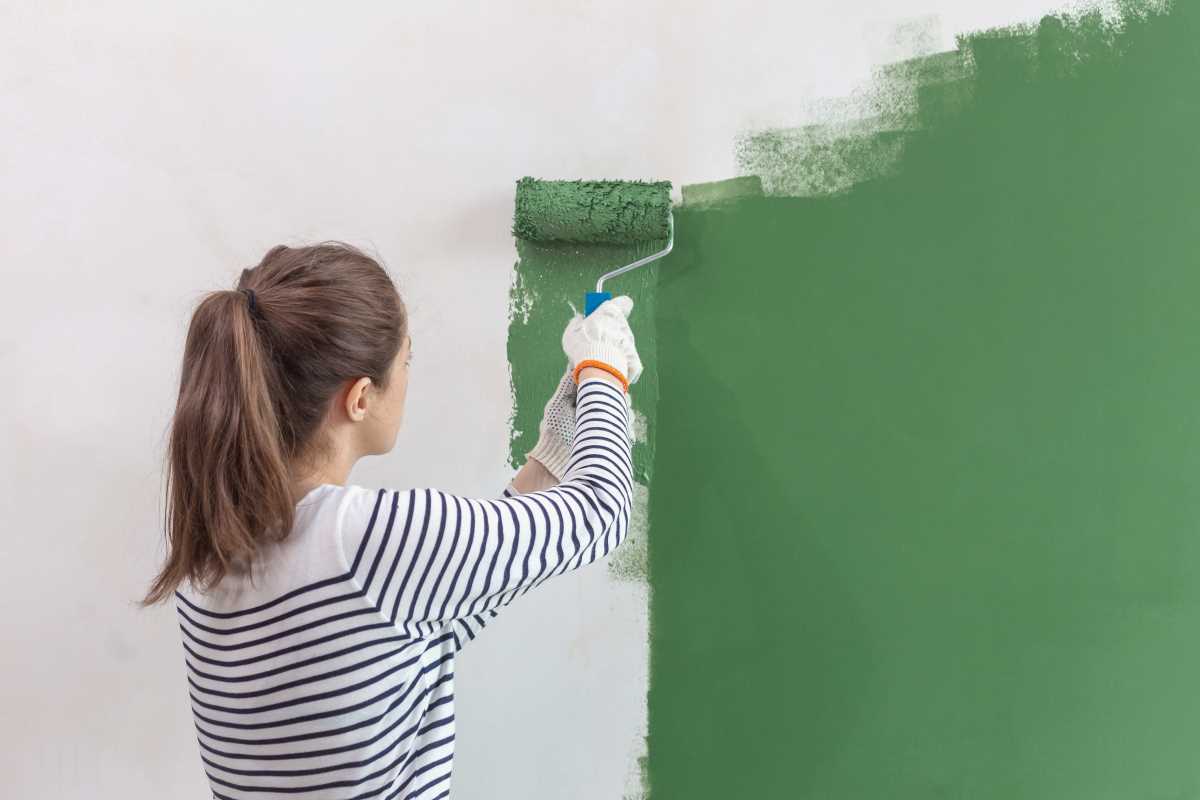
That "new car" smell or the fresh scent of a newly painted room might feel like a sign of progress, but your lungs see it differently. These smells are usually caused by Volatile Organic Compounds (VOCs) like formaldehyde or benzene. They "off-gas" from furniture, carpets, and cleaning supplies. Recent data from late 2025 shows that chronic exposure to these low-level chemicals is linked to a 30 percent higher risk of developing chronic respiratory diseases.²
If you notice a sweet or sharp chemical odor that won't go away, you're likely dealing with high VOC levels. It's not just about the smell. These compounds can cause eye and throat irritation, and long-term exposure has been linked to liver damage. A 2025 study from Purdue University even found that using common scented products like candles or "fresh" citrus sprays can create indoor pollution levels comparable to car exhaust.³ These scents react with the air to form ultra-fine nanoparticles that can enter your bloodstream.
Identifying Mold and Moisture Problems
We've all walked into a basement or a bathroom and encountered that heavy, earthy, musty smell. That's the scent of microbial volatile organic compounds (mVOCs) produced by mold and mildew. It's a distinct signal that there's an active moisture problem somewhere in the house.
Don't ignore it. Chronic exposure to these fungal "fumes" is a leading cause of what people often call brain fog, as well as persistent fatigue and respiratory infections. You'll want to investigate the usual suspects first: under sinks, behind drywall in the basement, or inside your HVAC system. If the humidity in your home is consistently above 50 percent, you're basically rolling out a red carpet for mold growth.
The Danger of Invisible Gases
Some household smells are immediate red flags for your safety. If you ever catch a whiff of rotten eggs, that's the mercaptan additive in your natural gas. It's a sign of a leak, and you need to get out of the house immediately. But other combustion-related smells are more subtle.
Faulty wiring or overheating appliances often give off a smell like burning plastic or fish. This happens when wire insulation begins to melt, releasing toxic fumes before a fire even starts. Then there's the "silent killer," carbon monoxide (CO). Although CO itself is odorless, it's often produced alongside other combustion byproducts that do have a scent, like wood smoke or gas fumes. Even low-level exposure to CO from a poorly vented stove or water heater can lead to permanent neurological damage.
Odors Indicating Poor Ventilation and Filtration
Have you ever walked back into your house after a long walk and noticed the air feels stale or stuffy? That's the smell of poor air exchange. In modern, "tight" homes built for energy efficiency, air can become trapped. This leads to a buildup of CO2 and skin cells, dust, and pet dander.
If your HVAC vents are blowing air that smells dusty or "dirty," your filters are likely failing. By 2026 standards, a basic hardware store filter isn't enough. Experts now recommend MERV-13 filters as the baseline for capturing the tiny particles that trigger allergies and asthma. If the air stays stuffy even with clean filters, it might be time to look into mechanical ventilation like an Energy Recovery Ventilator (ERV), which swaps out stale indoor air for fresh, filtered outdoor air.
Top Recommendations
Improving your air quality starts with removing the source of the smell rather than masking it with more chemicals.
- Source Control: Ditch synthetic air fresheners and look for GREENGUARD Gold certified furniture to minimize off-gassing.
- Upgrade Filtration: Switch to MERV-13 or higher HVAC filters to capture 85 percent of fine particles.
- Smart Monitoring: Use real-time IAQ sensors to track PM2.5 and TVOC levels so you know exactly when to open a window.
- The 5 ACH Rule: Aim for five air changes per hour in your main living spaces to keep pollutants diluted.
Turning Scent into Approach, Improving Your Home Air
Your nose is a powerful tool, but it shouldn't be your only one. By the time you can smell a problem, the pollution levels are already high. The best approach is to be proactive. Start by paying attention to those "off" scents and tracing them back to their source.
Regular maintenance, like checking your radon levels (which is an odorless but deadly gas responsible for 21,000 deaths a year) and monitoring your humidity, can save you from long-term health issues. Your home should be a place where you can breathe easy. If something smells wrong, it probably is. Take the hint your nose is giving you and clear the air.
Sources:
1. World Environmental Health Day 2025, The hidden power of bad odours
https://www.cieh.org/news/blog/2025/world-environmental-health-day-2025-the-hidden-power-of-bad-odours-how-smell-shapes-our-health/
2. Indoor Air Quality Health Effects, Hidden Dangers 2025
https://www.arbor-health.com/blog/indoor-air-quality-health-effects-hidden-dangers-2025
3. Purdue University Study on Scented Products and Nanoparticles
https://www.sciencedaily.com/releases/2025/02/250218000726.htm
This article is for informational and educational purposes only. Readers are encouraged to consult qualified professionals and verify details with official sources before making decisions. This content does not constitute professional advice.