Artificial intelligence is transforming our homes from simple shelters into intelligent environments that learn, adapt, and respond to our needs. Gone are the days when a smart home meant just turning lights on and off with your smartphone. Today's AI-powered homes anticipate your preferences, optimize energy usage, enhance security, and even help maintain your health and wellness. These systems don't just follow commands—they understand patterns, make predictions, and take proactive steps to improve your daily life. Imagine walking into a home that automatically adjusts the temperature to your preferred setting, dims the lights to match your evening routine, and starts playing your favorite music before you even ask. This isn't science fiction—it's the reality of AI-driven smart home technology that's becoming more accessible and sophisticated every day. The revolution goes beyond convenience, extending into energy efficiency, security, and personalized comfort in ways that were unimaginable just a few years ago.
Voice Assistants That Learn and Evolve
Modern voice assistants have evolved far beyond simple command-and-response interactions. Today's AI-powered speakers and displays understand context, remember your preferences, and adapt to your household's unique rhythms.
Amazon's Alexa and Google Assistant now recognize different family members' voices, customizing responses based on individual preferences and access levels. When you ask about your calendar, the system knows which family member is speaking and provides personalized information. These assistants learn from your routines, suggesting smart home adjustments based on patterns they observe.
The latest voice assistants can handle complex, multi-step requests without breaking stride. You might say, "I'm going to bed," and the system will lock doors, turn off lights throughout the house, set the alarm, and adjust the thermostat—all from understanding the context of your simple statement.
Natural language processing has improved dramatically, allowing for more conversational interactions. You can ask follow-up questions, change your mind mid-command, or speak more naturally without worrying about specific trigger phrases. This makes smart home control feel more intuitive and less robotic.
Smart Thermostats That Predict and Adapt
AI-powered thermostats represent some of the most sophisticated learning systems in modern homes. These devices study your schedule, preferences, and even local weather patterns to create optimal heating and cooling strategies.
Learning thermostats like the Nest or Ecobee analyze when you're home, when you're away, and how quickly your house heats or cools. They factor in outdoor temperatures, humidity levels, and seasonal changes to predict exactly when to start heating or cooling to reach your desired temperature at the right time.
Advanced models use geofencing technology combined with AI predictions to prepare your home before you arrive. If you typically come home at 6 PM but leave work early one day, the system detects your phone's location and begins adjusting temperatures accordingly.
These systems also learn about your comfort preferences in different situations. They might notice you prefer cooler temperatures when cooking or warmer settings when working from home, automatically making these adjustments without manual programming.
Energy optimization algorithms analyze utility rates, weather forecasts, and your comfort preferences to minimize costs while maintaining ideal conditions. Some systems can even participate in demand response programs, slightly adjusting temperatures during peak usage times to reduce strain on the electrical grid.
Intelligent Security Systems
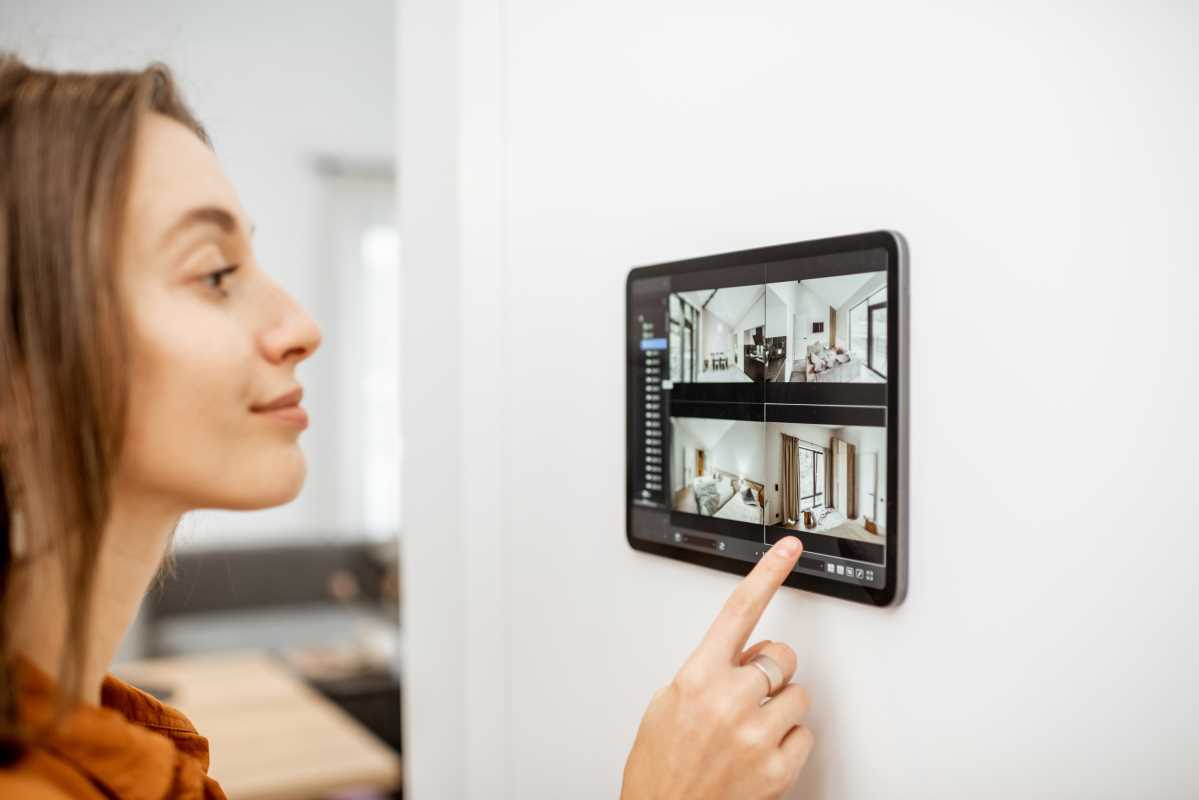
AI has revolutionized home security by introducing systems that can distinguish between genuine threats and false alarms. Modern security cameras use computer vision to recognize familiar faces, identify package deliveries, and detect unusual activities.
Facial recognition technology allows security systems to send personalized alerts. Instead of generic "motion detected" notifications, you receive specific information like "John arrived home" or "Unknown person at front door." This reduces alert fatigue while keeping you informed about important events.
Smart doorbell cameras with AI can differentiate between delivery personnel, family members, and potential intruders. They analyze body language, clothing, and behavior patterns to assess threat levels and respond appropriately.
Advanced systems integrate multiple sensors—cameras, motion detectors, door sensors, and smart locks—to create comprehensive security pictures. AI algorithms analyze data from all these sources simultaneously, providing more accurate assessments than any single sensor could offer.
Some security systems now offer predictive capabilities, identifying patterns that might indicate potential break-ins or security vulnerabilities. They might notice unusual activity patterns in your neighborhood or detect when doors or windows are left unsecured longer than usual.
Energy Management and Conservation
AI-powered energy management systems optimize household power consumption by learning usage patterns and automatically adjusting various devices and systems throughout your home.
Smart electrical panels can monitor individual circuit usage, identifying which appliances consume the most power and when. AI algorithms analyze this data to suggest energy-saving opportunities and automatically implement efficiency measures.
Solar panel systems with AI integration maximize energy production by predicting weather patterns, adjusting panel positioning, and determining optimal times to store or sell excess power back to the grid. These systems learn seasonal patterns and local weather tendencies to improve predictions over time.
Smart water heaters use AI to learn your household's hot water usage patterns, heating water just before you need it rather than maintaining constant high temperatures. This approach can reduce energy consumption by up to 30% while ensuring hot water is always available when needed.
Advanced systems coordinate multiple devices to optimize overall energy usage. They might delay running the dishwasher until solar panels are producing peak power or shift other electrical loads to take advantage of time-of-use utility rates.
Health and Wellness Monitoring
AI-enabled smart home systems increasingly focus on occupant health and wellness, using environmental sensors and behavioral analysis to support better living conditions.
Air quality monitors with AI capabilities don't just detect pollutants—they identify sources and automatically activate air purifiers, adjust ventilation, or send alerts about potential issues. These systems learn which activities in your home affect air quality and proactively address problems.
Smart lighting systems use AI to adjust color temperature and brightness throughout the day, supporting natural circadian rhythms. They consider factors like season, weather, and your individual sleep patterns to optimize lighting for better rest and alertness.
Sleep monitoring systems analyze bedroom conditions, including temperature, humidity, noise levels, and air quality, making automatic adjustments to improve sleep quality. They learn what conditions help you sleep best and prepare your bedroom environment accordingly.
Some systems can detect changes in daily routines that might indicate health issues, particularly useful for elderly residents or those with chronic conditions. They might notice unusual sleep patterns, changes in mobility, or deviations from normal daily activities.
Predictive Maintenance and Home Care
AI systems are beginning to predict when household systems need maintenance before problems occur, potentially saving homeowners thousands in repair costs and preventing inconvenient breakdowns.
Smart HVAC systems monitor performance indicators like airflow, temperature differentials, and energy consumption patterns to predict when filters need changing or when professional service might be needed. They can detect developing issues weeks before they become serious problems.
Plumbing monitoring systems use AI to analyze water pressure, flow rates, and usage patterns to identify potential leaks or pipe problems. These systems can distinguish between normal usage variations and genuine issues requiring attention.
Smart home hubs increasingly serve as central intelligence systems, coordinating data from multiple devices to provide comprehensive home health assessments and maintenance recommendations.